
Village & Community-Based Rehabilitation
Bringing rehabilitation closer to persons with disabilities and their families through home-based services, community rehabilitation workers, parent-managed centres, assistive technology, inclusion, livelihood support and community participation.
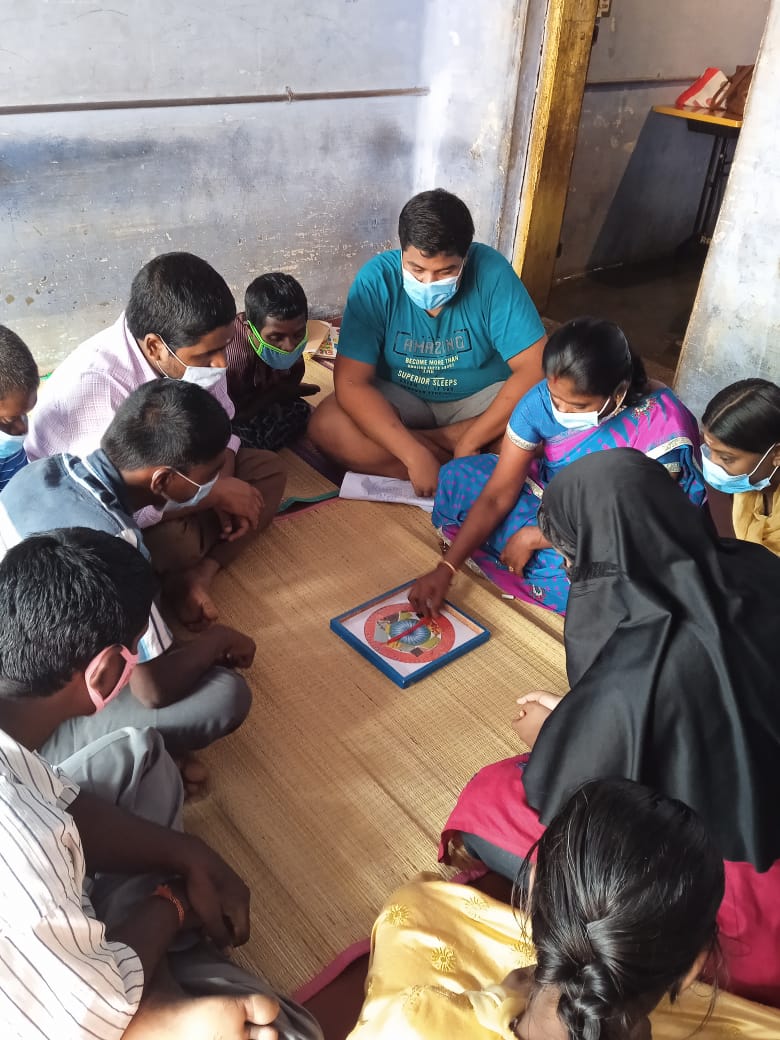
Support closer to where people live, learn and participate.
Amar Seva Sangam developed its Village-Based Rehabilitation Initiative to improve access to rehabilitation and inclusion for persons with disabilities living in rural communities.
The approach recognises that families may face barriers in travelling regularly to specialist rehabilitation centres. Services are therefore brought closer to the individual through trained community rehabilitation workers, families, community centres and rehabilitation professionals.
The programme also extends beyond therapy by supporting school inclusion, assistive technology, family empowerment, livelihoods, access to entitlements, advocacy and social participation.
Explore the programme.
Select an area below to learn more about Amar Seva Sangam's community-based approach.
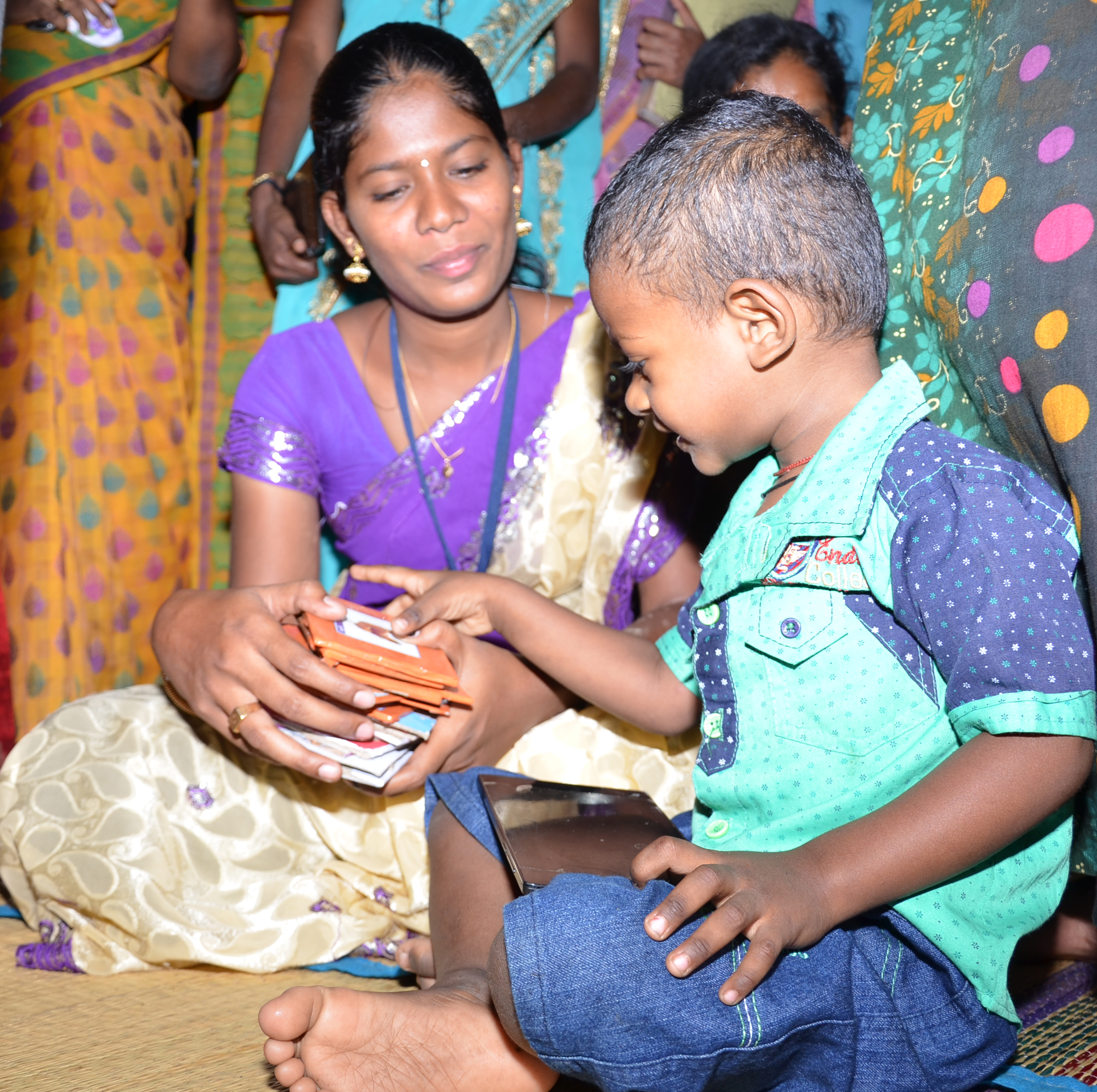
Home & School-Based Rehabilitation
Rehabilitation and follow-up support provided closer to children and families at home, school and within their local communities.
Learn more ↓ 02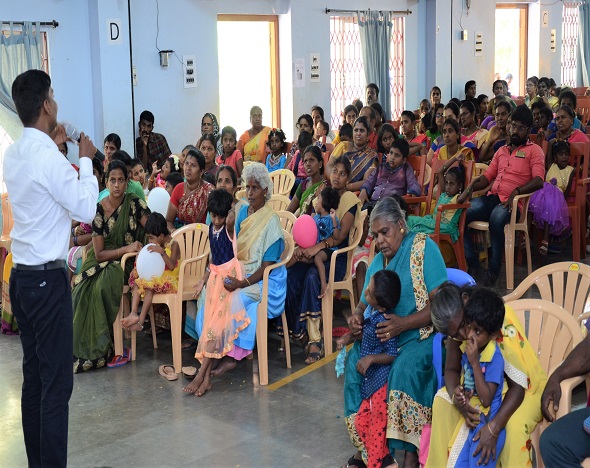
Parent-Managed Community Centres
Community-level respite, rehabilitation and vocational centres supported by parents with technical guidance from Amar Seva Sangam.
Learn more ↓ 03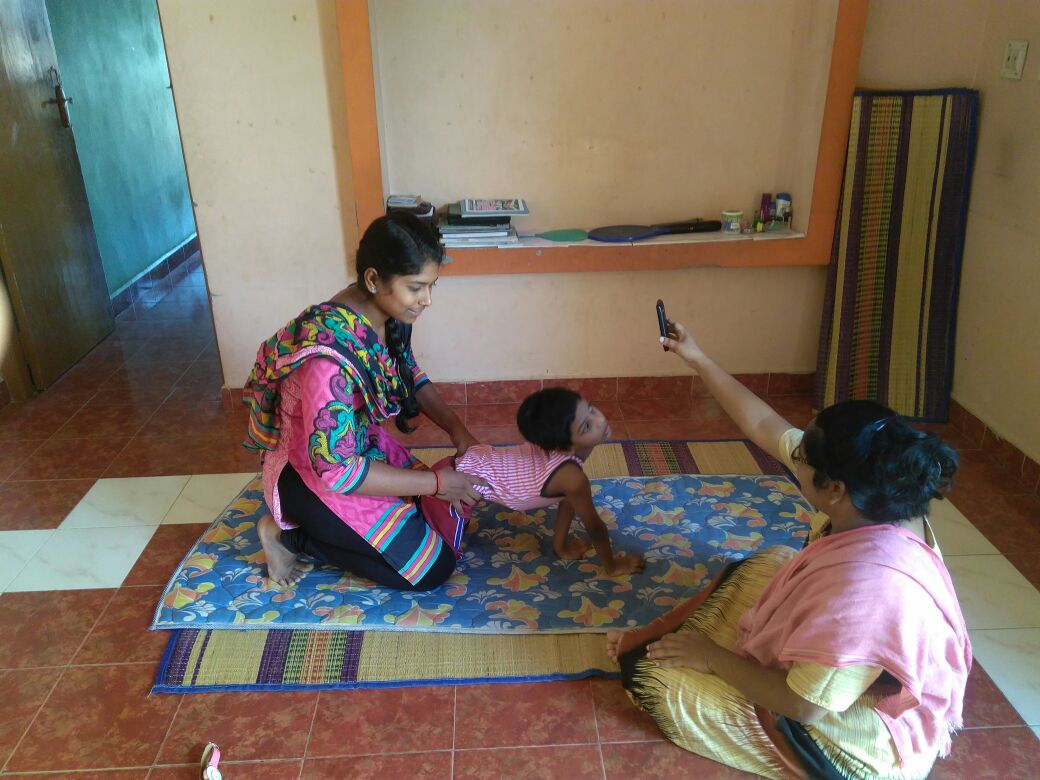
Family & Caregiver Empowerment
Building the knowledge and confidence of parents and caregivers to support rehabilitation in everyday life.
Learn more ↓ 04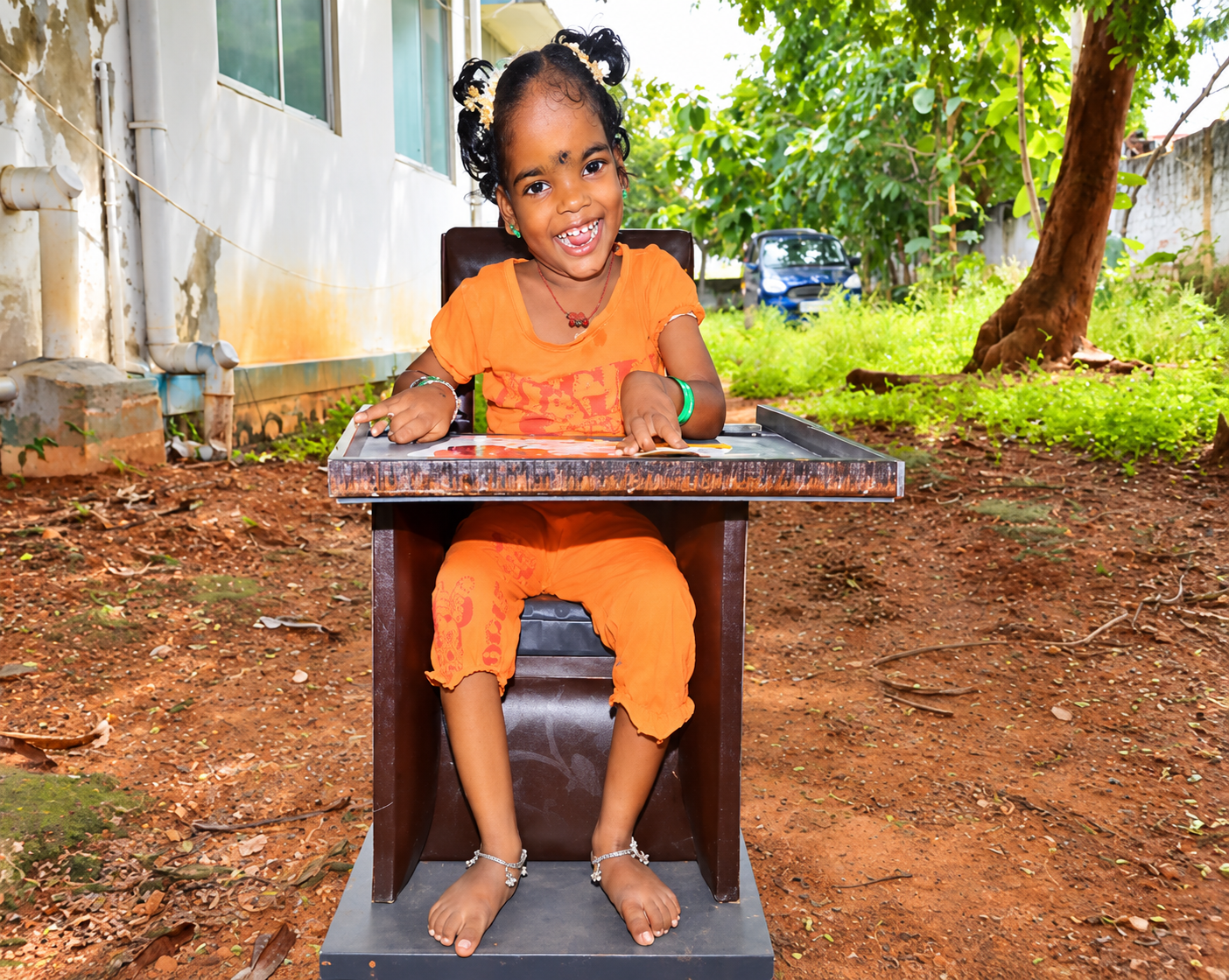
Assistive Technology & Home Modification
Facilitating suitable assistive products and environmental adaptations to improve function, access and independence.
Learn more ↓ 05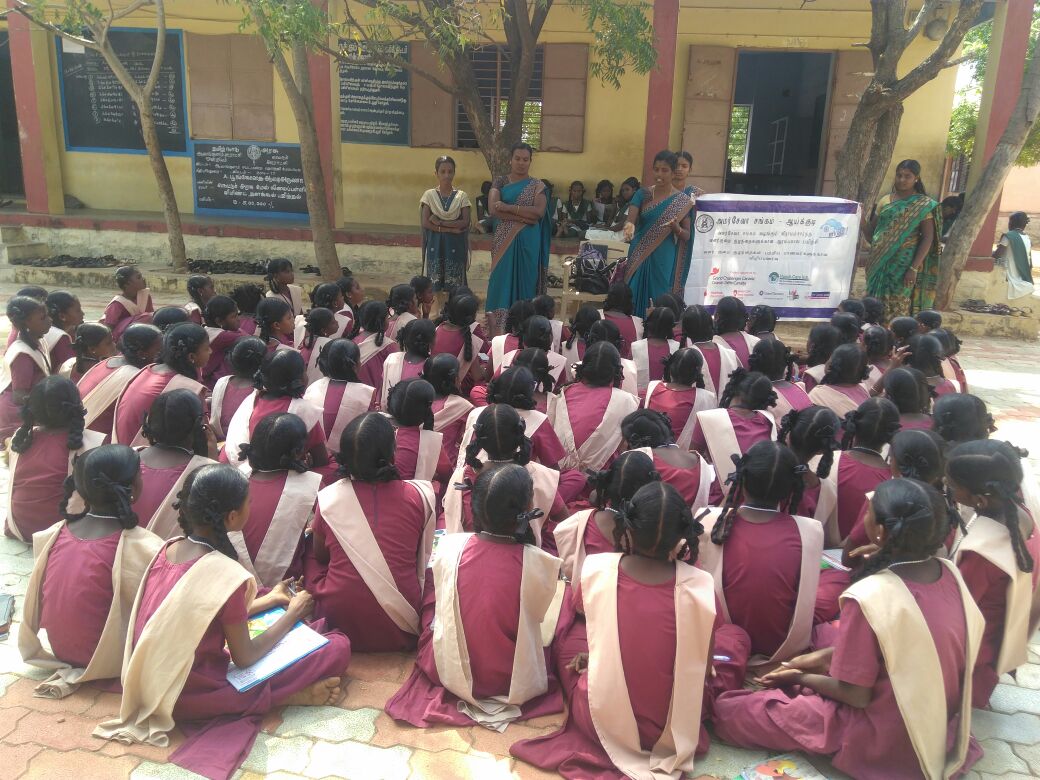
School & Community Inclusion
Supporting participation in school and community life through mentoring, awareness and sensitisation.
Learn more ↓ 06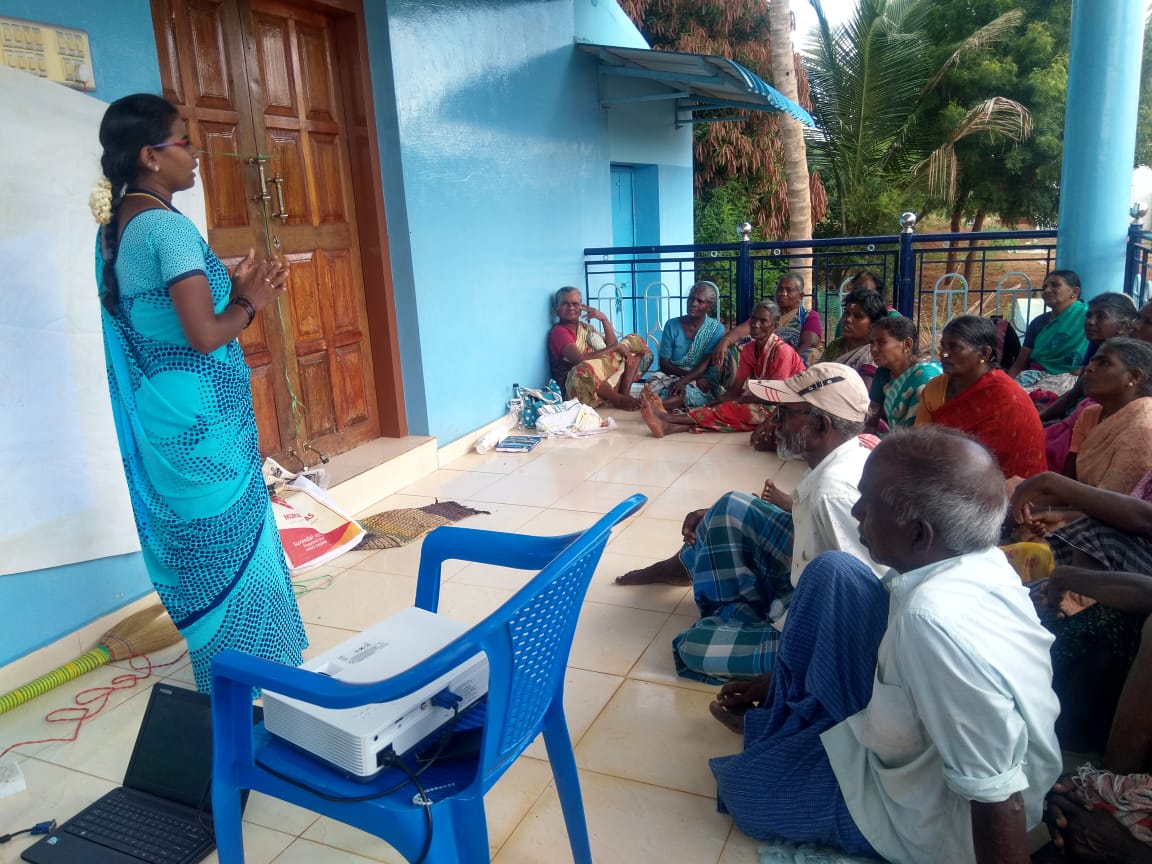
Livelihood & Social Empowerment
Skills, financial inclusion, Self-Help Groups, advocacy and access to rights and entitlements.
Learn more ↓Home & School-Based Rehabilitation
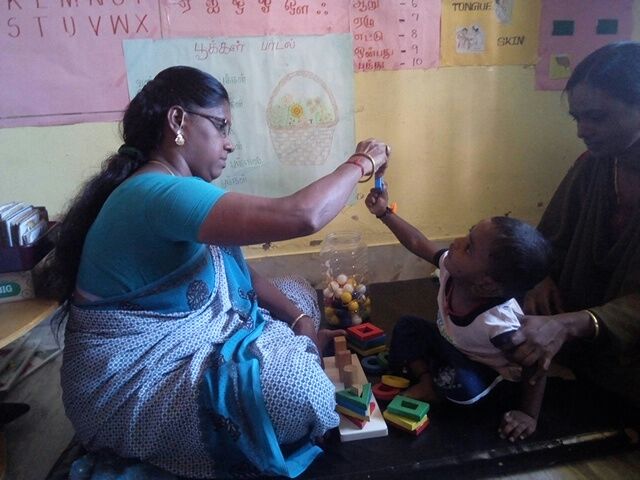
Home-based rehabilitation enables children with disabilities and their families to receive ongoing rehabilitation support closer to where they live.
Trained Community Rehabilitation Workers work with children and families under the guidance of rehabilitation professionals. Parents are also trained so that appropriate activities can continue between professional visits.
Depending on the child's needs, rehabilitation may focus on:
- Self-care and activities of daily living
- Mobility and functional movement
- Communication
- Functional academics
- Participation at home and in the community
- School readiness and school inclusion
For children already attending school, appropriate follow-up may also be provided within the school environment.
Parent-Managed Community Centres
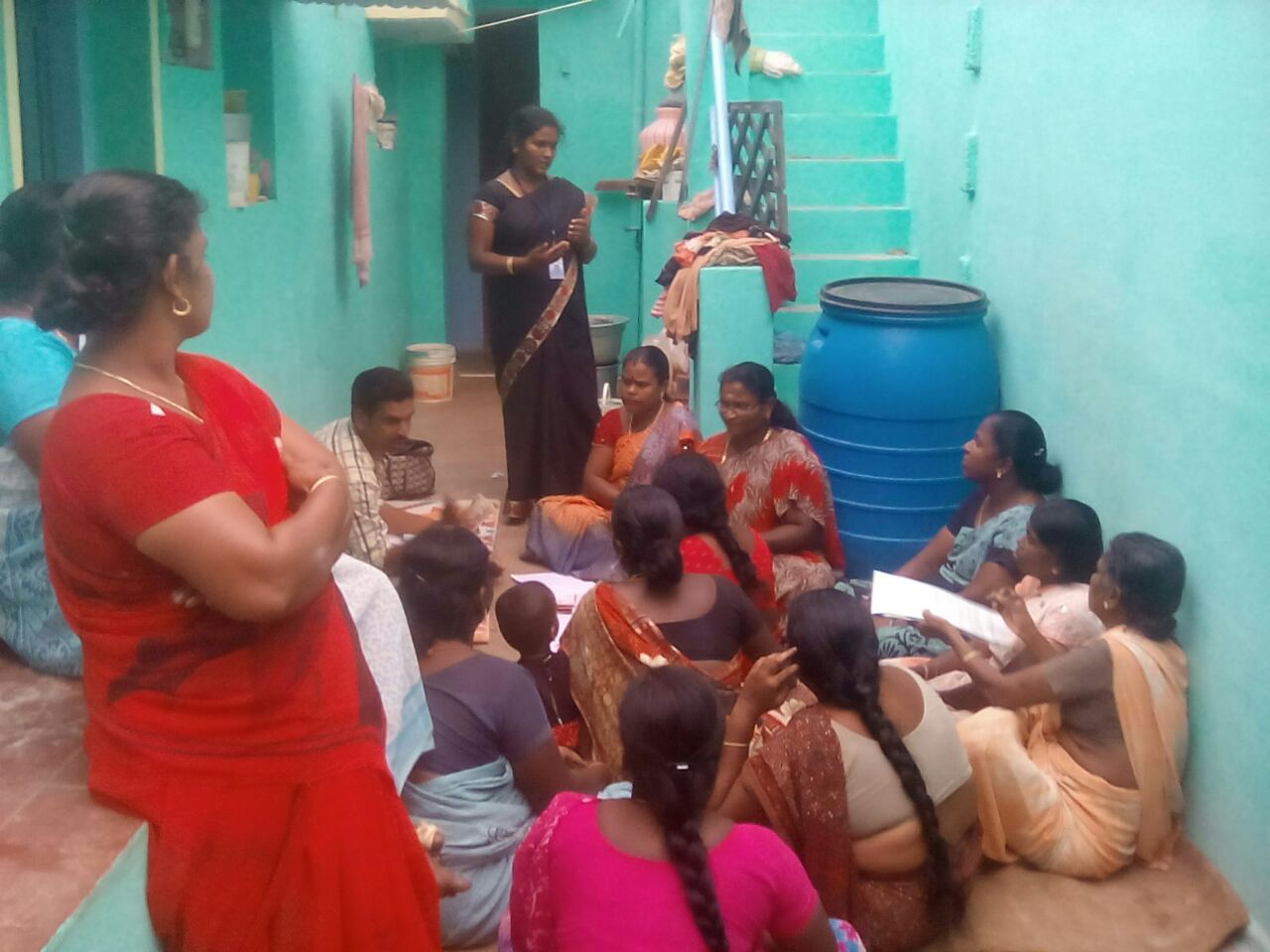
Community-level centres provide rehabilitation, meaningful engagement and support for children and adults who may require more intensive or continuing assistance.
Parent-Managed Respite Centres
Parent-managed respite centres provide community-based day support for children with significant support needs.
Parents participate in the management of these centres while Amar Seva Sangam provides technical guidance, rehabilitation expertise and capacity-building support.
Parent-Managed Vocational Centres
Community vocational centres provide meaningful engagement and opportunities for adults with disabilities to develop practical and livelihood-related skills.
Detailed vocational training pathways are covered separately under Skill Development.
Explore Skill Development →Community Early Intervention Centres
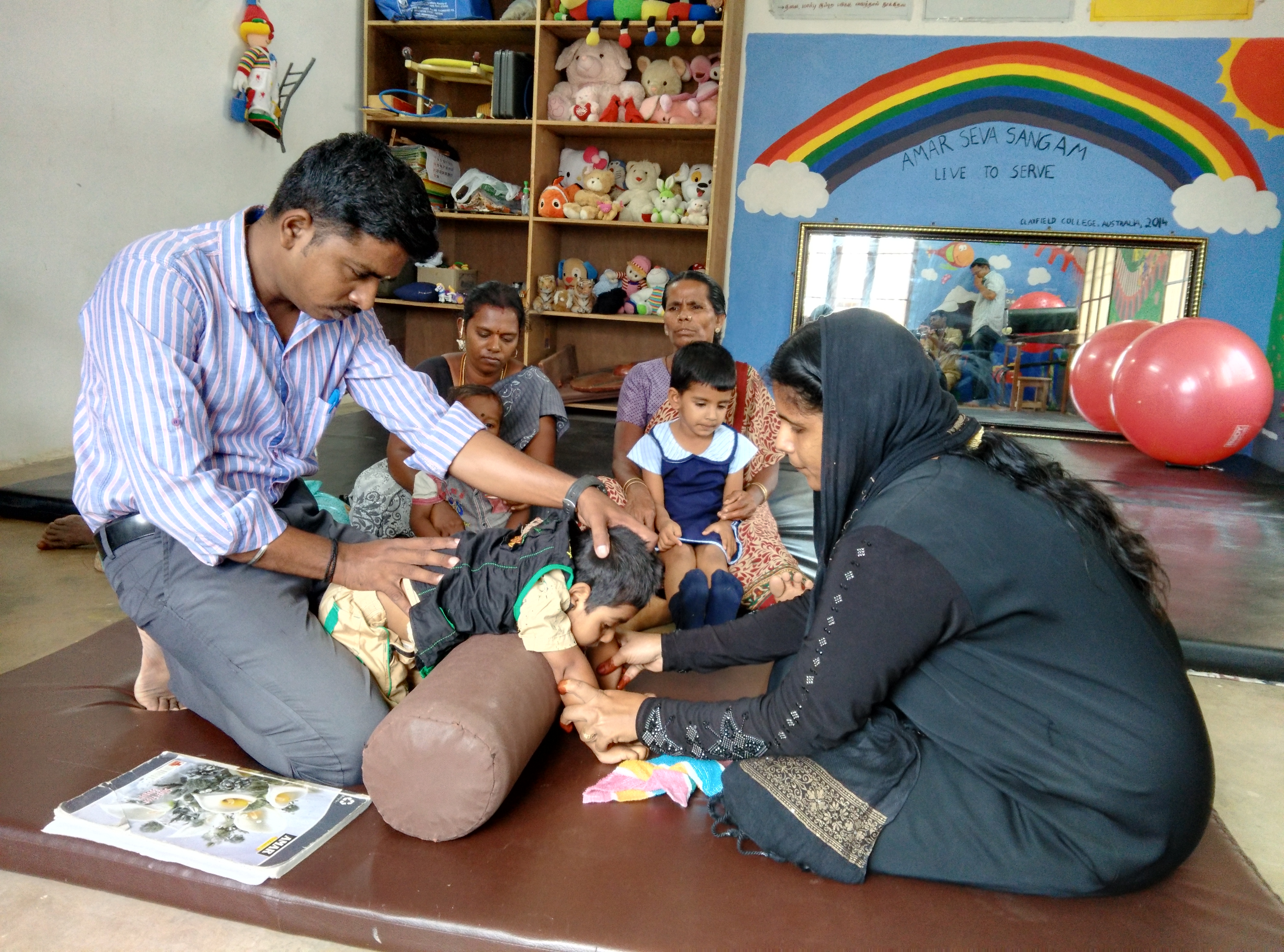
Early Intervention Centres provide additional rehabilitation support for young children who require focused assessment, intensive training, assistive technology support or preparation for transition into school.
These services form part of Amar Seva Sangam's broader technology-enabled Early Intervention and Enabling Inclusion® model.
Detailed information about child rehabilitation, parent empowerment and the Enabling Inclusion® model is presented on the dedicated Early Intervention page.
Explore Early Intervention →Family & Caregiver Empowerment
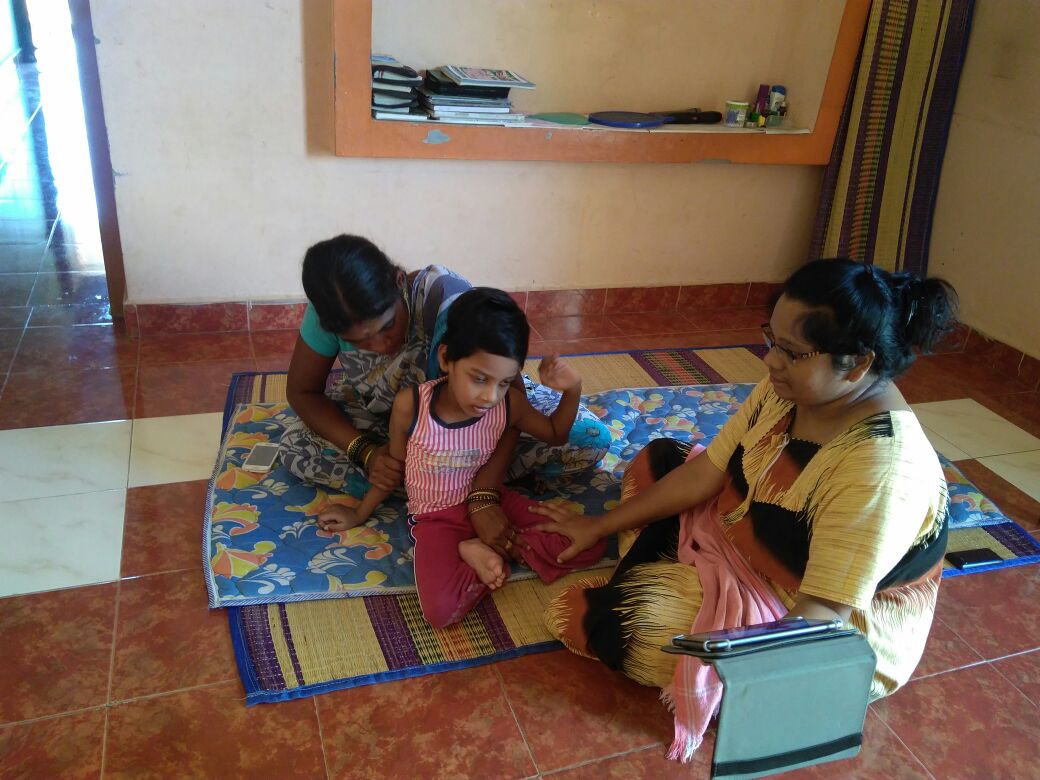
Parents and caregivers play a central role in community-based rehabilitation because rehabilitation continues throughout the child's everyday routines and activities.
Families are supported to understand the child's abilities, rehabilitation goals and appropriate activities that can be incorporated into daily life.
- Parent and caregiver capacity building
- Practical training for rehabilitation activities at home
- Guidance from Community Rehabilitation Workers and rehabilitation professionals
- Emotional and family support
- Participation in planning rehabilitation goals and transitions
This approach strengthens continuity of rehabilitation and helps families become active partners in the rehabilitation process.
Assistive Technology & Environmental Modification
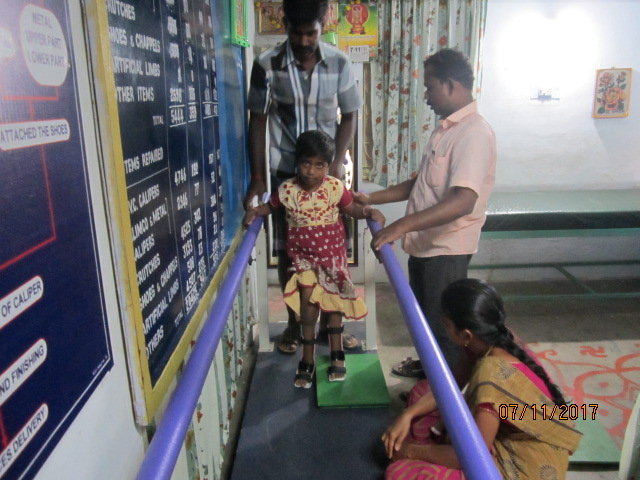
Appropriate assistive products and changes to the surrounding environment can make everyday activities safer, easier and more independent.
Community rehabilitation workers and rehabilitation professionals help identify needs and facilitate suitable solutions according to the individual's functional abilities and environment.
Support may include:
- Mobility and positioning devices
- Appropriate assistive products
- Functional adaptations
- Home environmental modifications
- Guidance on safe and effective use
- Referral for specialised assessment where required
School & Community Inclusion
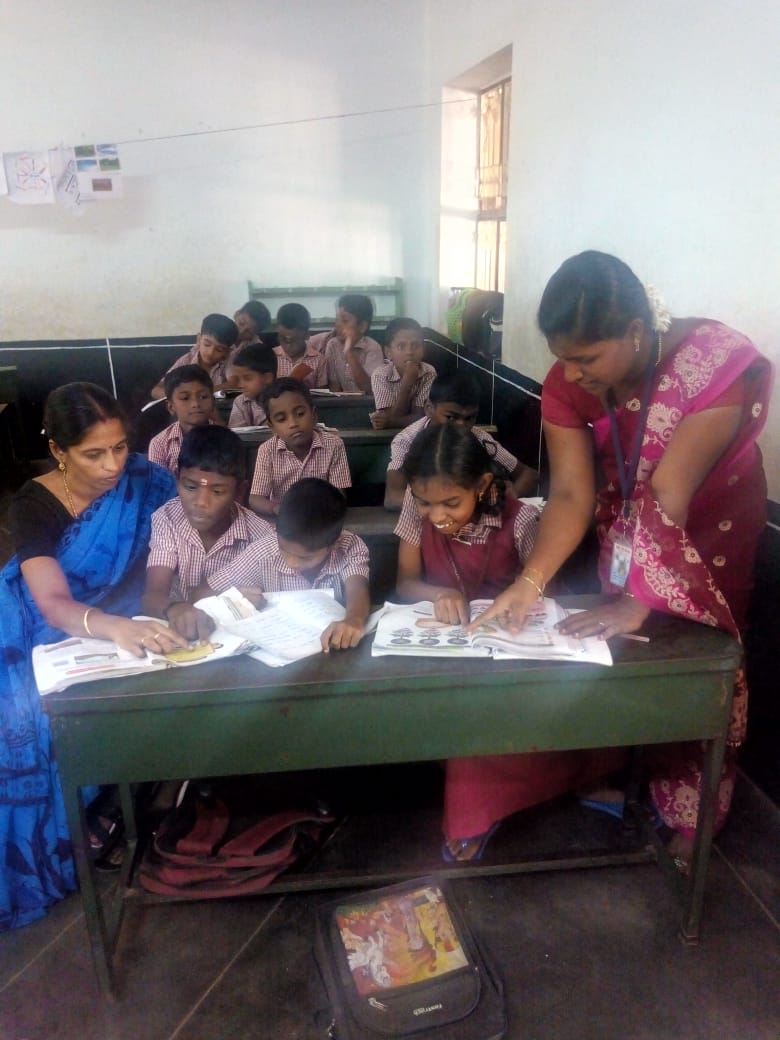
Rehabilitation outcomes are strengthened when children and adults are able to participate meaningfully within their schools, families and communities.
Amar Seva Sangam therefore works not only with individuals and families, but also with the wider systems around them.
- Supporting school inclusion for children with disabilities
- Developing local support and mentoring systems where appropriate
- Sensitising school management and teachers
- Community awareness regarding disability and inclusion
- Engagement with government officials and local institutions
- Awareness of rights and entitlements of persons with disabilities
Livelihood & Social Empowerment
Community rehabilitation also addresses economic participation, access to resources, rights and collective empowerment.
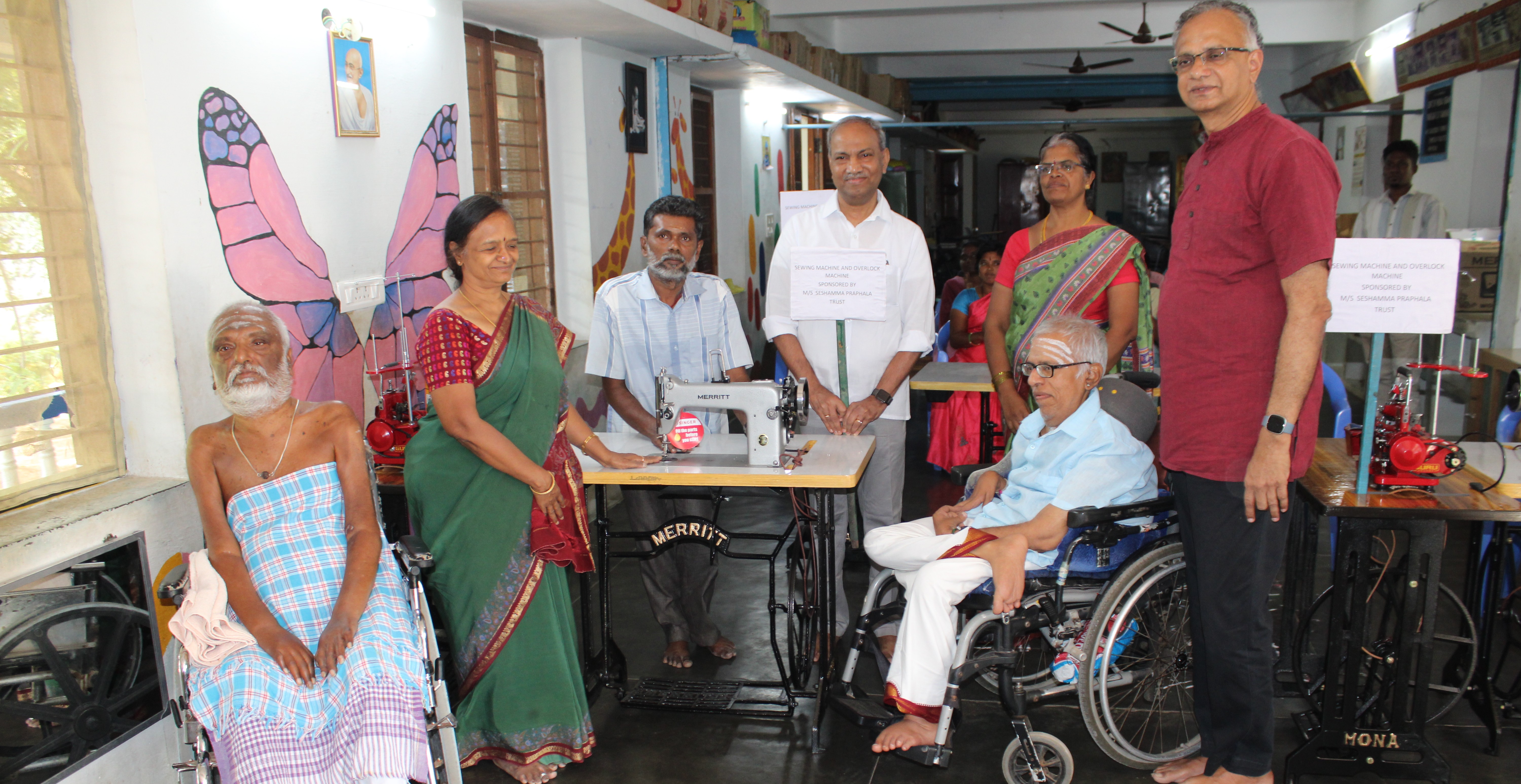
Skills & Livelihood
Persons with disabilities are supported towards appropriate skill training, self-employment, entrepreneurship and livelihood opportunities according to their interests and abilities.
Explore Skill Development →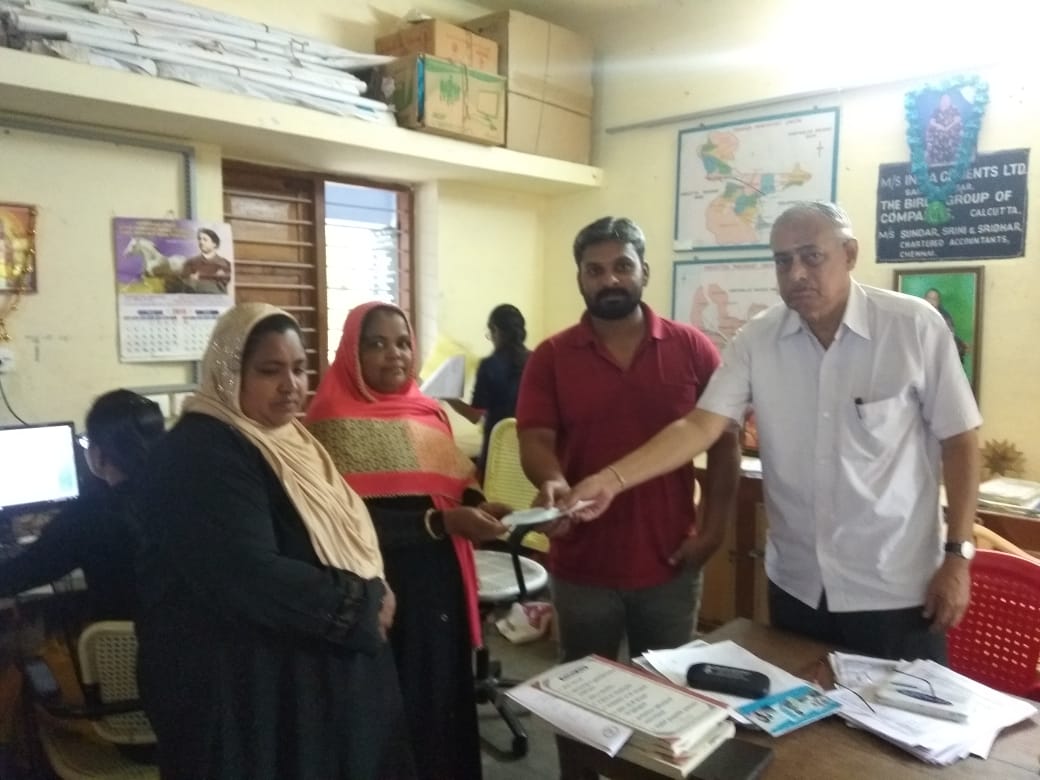
Financial Inclusion
Support may include facilitation of microfinance, loans, government subsidies, sponsorship and access to appropriate income-generating resources.
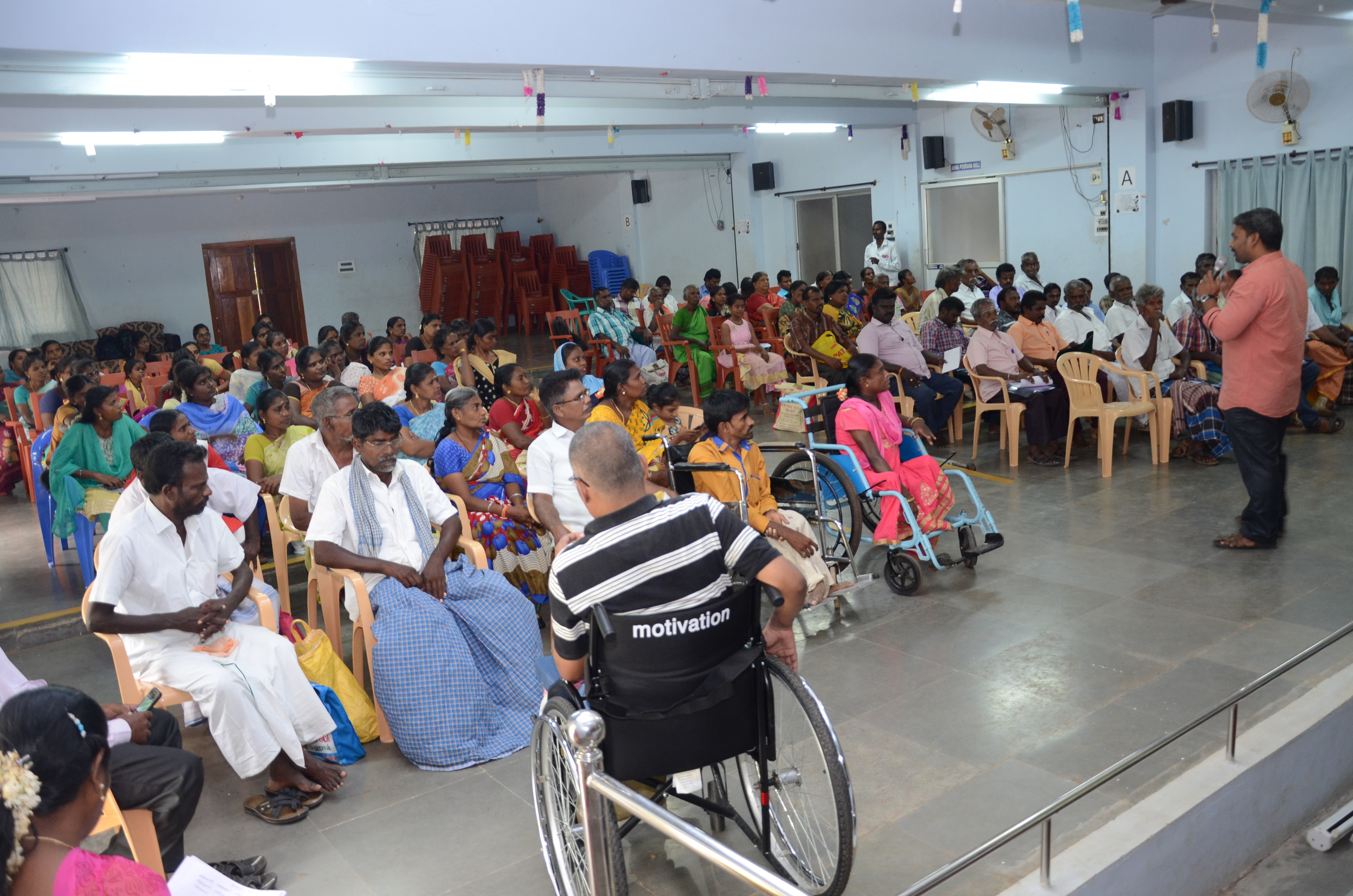
Advocacy & Self-Help Groups
Self-Help Groups, community awareness and collective action help persons with disabilities understand their rights, access entitlements and strengthen participation in community life.
Building local capacity for sustainable support.
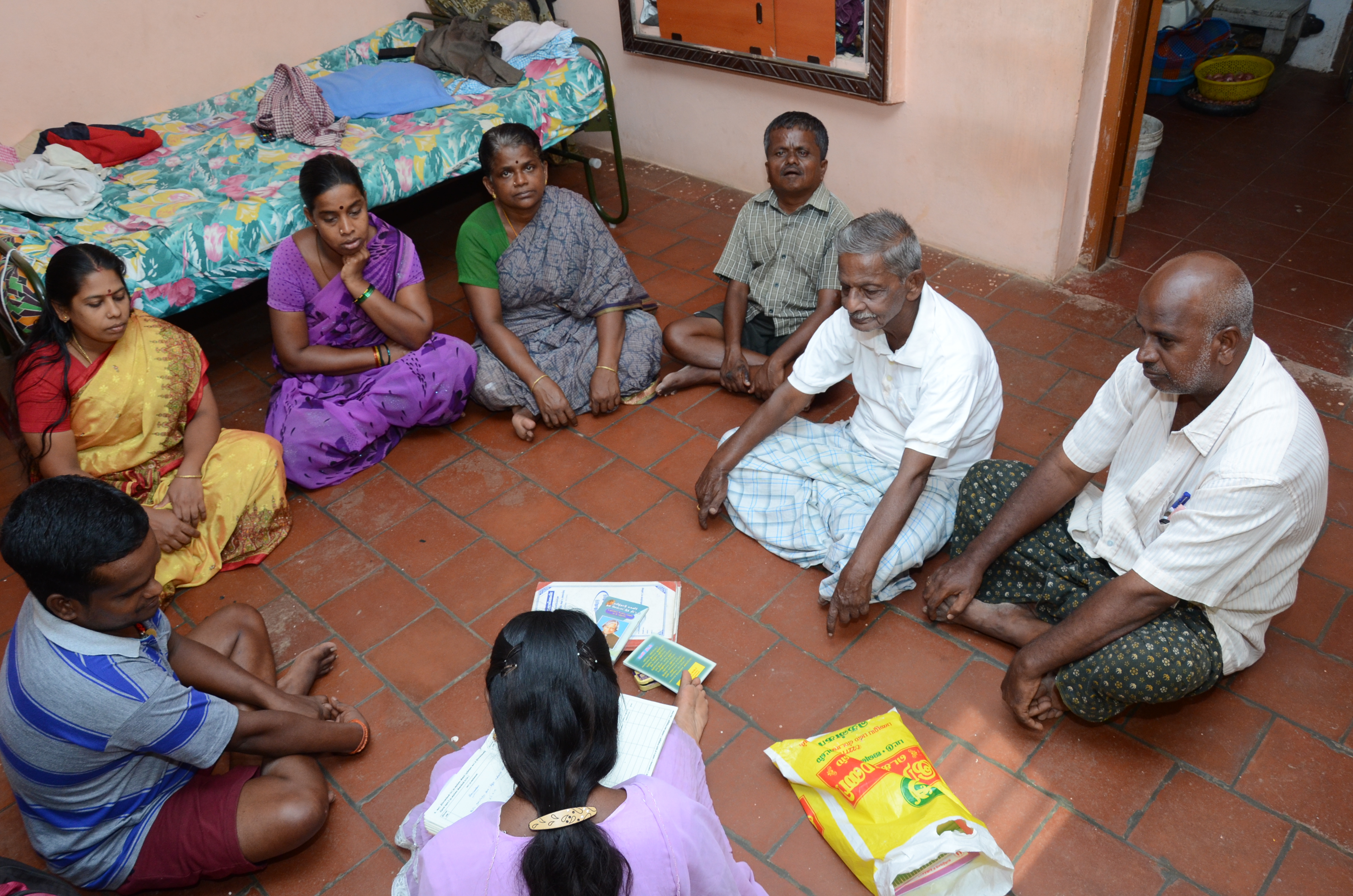
The long-term objective of community-based rehabilitation is not simply to deliver a service from outside, but to strengthen the capacity of families, community workers, local organisations and persons with disabilities themselves.
By combining rehabilitation with family empowerment, inclusion, livelihood support and advocacy, the programme seeks to create conditions in which persons with disabilities can participate more independently within their own communities.
Interested to know about community rehabilitation support?
Contact Amar Seva Sangam for information regarding community rehabilitation, referrals and available service pathways.